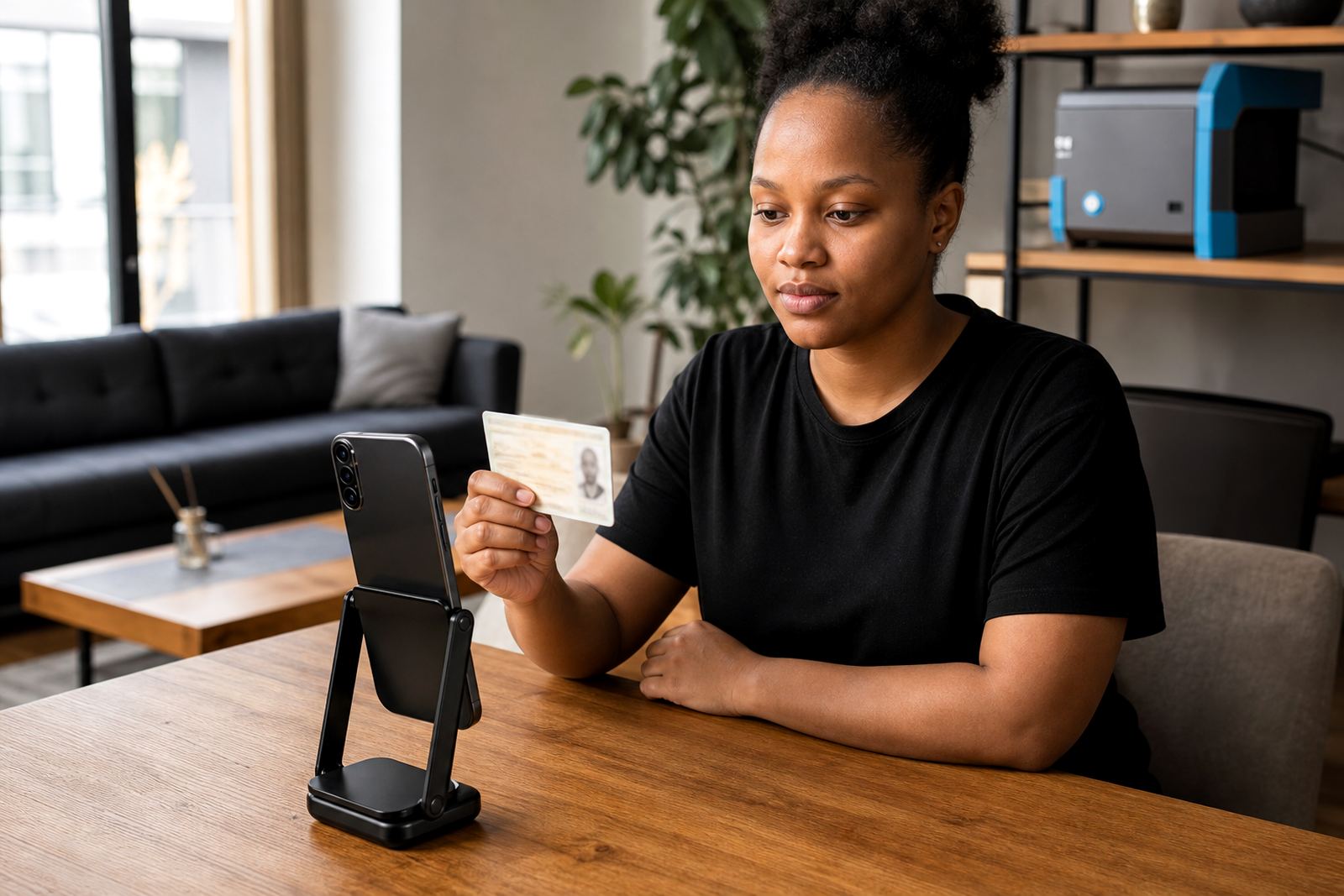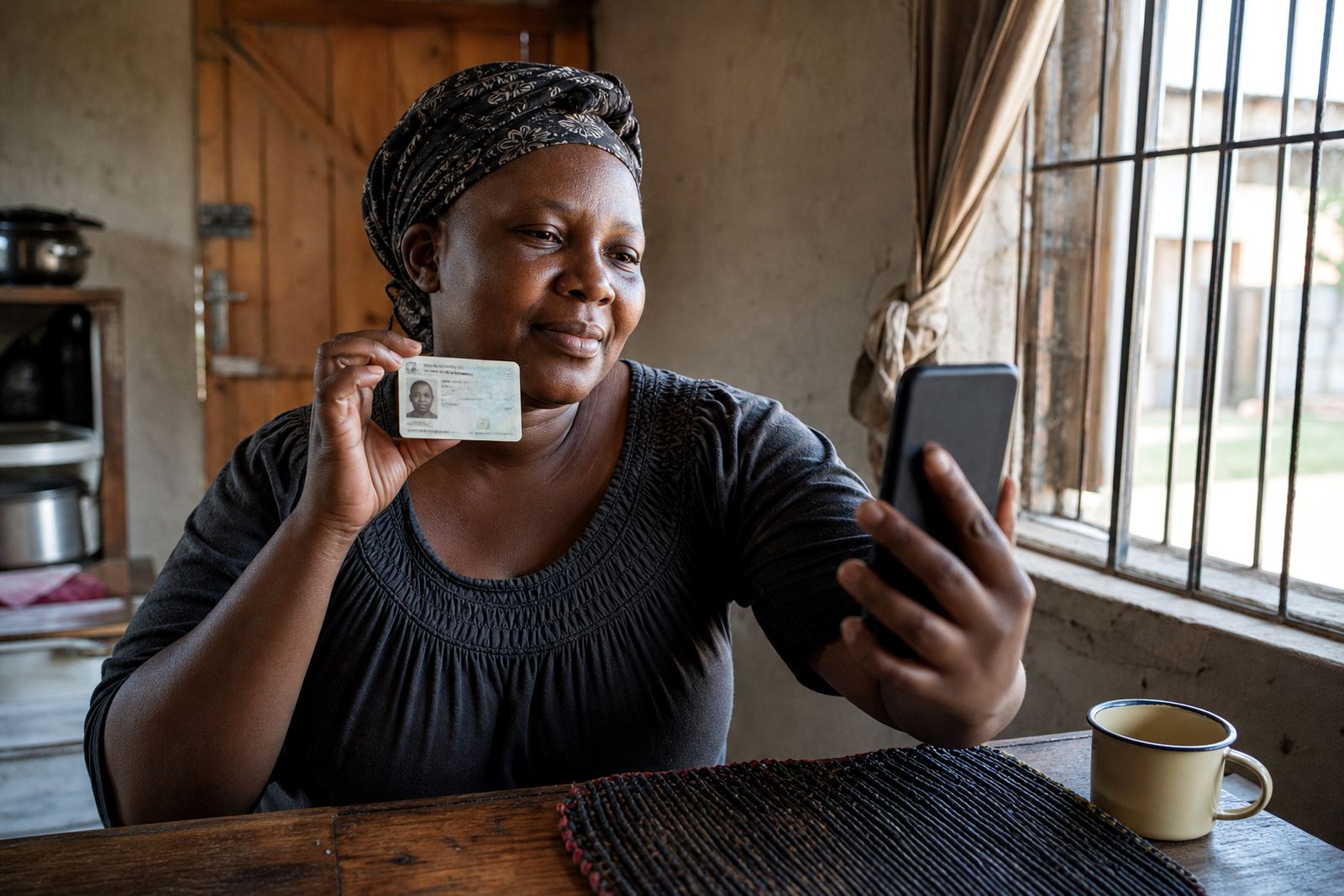
Uncertainty is usually the part that unsettles people
Most people do not object to showing an ID document. They get uneasy when the process feels vague, rushed or full of unfamiliar terms. A short video session works better when the applicant knows what the agent will ask for, why the camera matters and how the document will be checked.
In practice, anxiety drops when the session is split into small steps. The agent greets the applicant, confirms consent, asks for the ID document, checks the face match and then moves through the remaining prompts in a steady order. That rhythm matters just as much as the technology behind it.
Plain language does a lot of the work
Good scripts keep the wording ordinary. People understand simple requests much faster than long compliance language, and they stay calmer when they can follow the next instruction without guessing. A script that sounds human also makes it easier for the agent to keep control of the call without sounding harsh.
- Say what will happen first, then do it.
- Use one instruction at a time.
- Give the reason for the check in simple terms.
- Repeat only the step that is needed, not the whole session.
- Leave space for the applicant to adjust their camera or lighting.
That kind of wording helps both sides. The applicant feels less exposed, and the agent spends less time untangling confusion.
A calm session needs clear visual cues
Video verification can become stressful when the picture is dark, the camera points the wrong way or the applicant is not sure whether the document is visible enough. A good setup note before the session helps more than most people expect. It is not about fancy equipment, just about making the face and document easy to see.
For a client in Rosebank onboarding customers from Pretoria and Cape Town, a small change in the opening script can make a noticeable difference. Instead of asking for the ID document straight away, the agent can first explain where to hold it, how close to sit and when to tilt it. That small bit of guidance reduces the need for repeats and lowers frustration on both sides.
What helps applicants relax during the check
There is no need for a long lecture. People usually want three things: to know what is happening, to know that their details are handled carefully, and to know that they are not failing if they need one more attempt. A respectful tone carries a lot of weight in a remote setting.
- Confirm consent before the session moves forward.
- Explain why the face and ID document must be compared.
- Keep the pace steady, not fast.
- Use the same labels for the same steps every time.
- Close the session with a short summary of what was checked.
That last point matters in customer service too. When people understand what happened, they leave the session with less doubt about the process.
POPIA and FICA language should stay practical
Most applicants do not need a legal lecture, but they do need to know that the session involves consent, record keeping and customer due diligence. Plain wording can cover that without sounding heavy. It is enough to say that the session records the verification steps, the document images and the outcome, then keeps those records for the business process.
That practical tone helps in Johannesburg and Gqeberha alike. It also helps staff stay consistent when they explain why certain details are requested and how the remote check supports the account opening process. When the wording is clear, the applicant spends less time worrying about hidden steps.
Training staff to sound steady on every call
Confidence is often created in the back office before the call ever starts. Staff training, agent script design and quality monitoring all shape how the session feels. A team that knows the flow can guide the applicant without sounding uncertain or defensive.
For a business rolling out video verification across Sandton, Durban and Midrand, the support work usually needs more than one layer. Workflow mapping shows where the anxiety points appear, API coordination keeps the process aligned with the system, and escalation design makes sure a difficult session does not turn into a larger problem. When those pieces sit together, the applicant experiences a cleaner process.
- Use script prompts that match the actual system steps.
- Train agents to slow down when the caller sounds unsure.
- Review recordings for tone, clarity and missed cues.
- Refresh training when the workflow changes.
- Track common points where applicants hesitate.
That kind of control is not flashy, but it is effective. The customer hears one clear path and can follow it without feeling pushed around.
A local example from a Johannesburg rollout
Picture a financial services team in Rosebank opening accounts for customers across South Africa. Their applicants may join from apartments in Cape Town, offices in Pretoria or homes in Durban where the room is a bit noisy and the light is not ideal. The video session still works, but only if the guidance is patient and specific.
One applicant might worry that the camera image will not be accepted. Another might not know whether to hold the ID document closer to the lens or farther away. A careful agent settles both worries with short, direct instructions and a calm tone. That small adjustment can turn a tense call into a routine one, which is exactly what most people want from remote verification.
Customer anxiety rarely comes from the identity check itself. It usually comes from the feeling that the process is unfamiliar. When the business removes that uncertainty, the session feels much easier to finish.