When the nearest branch is far off the road
In many parts of South Africa, the nearest physical service point is not around the corner. A customer may be two taxi rides away from a branch, or working a farm shift that makes a weekday trip unrealistic. That distance changes the shape of onboarding. If identity checks only happen at a counter, a business loses people who are willing to sign up but cannot spare the travel.
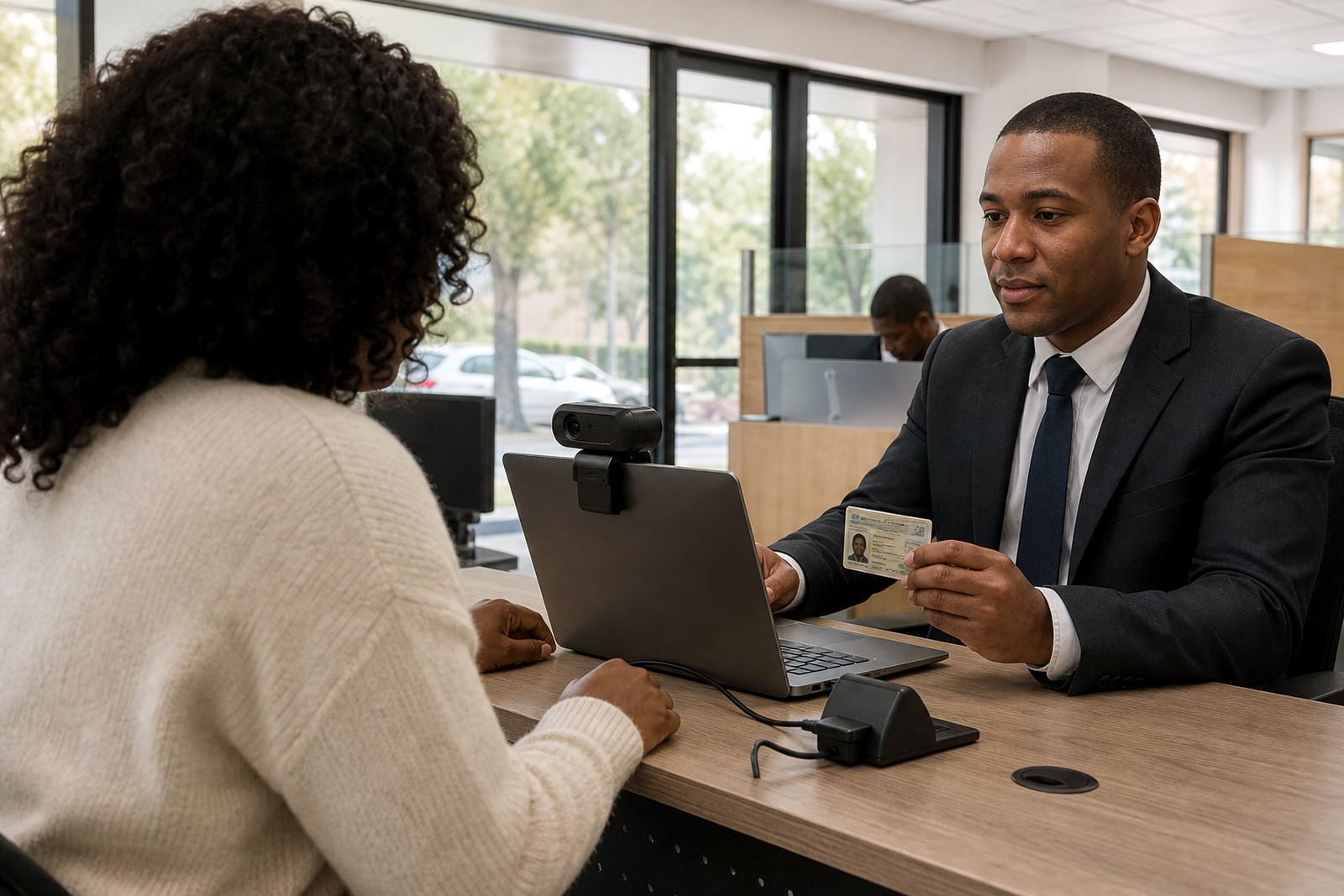
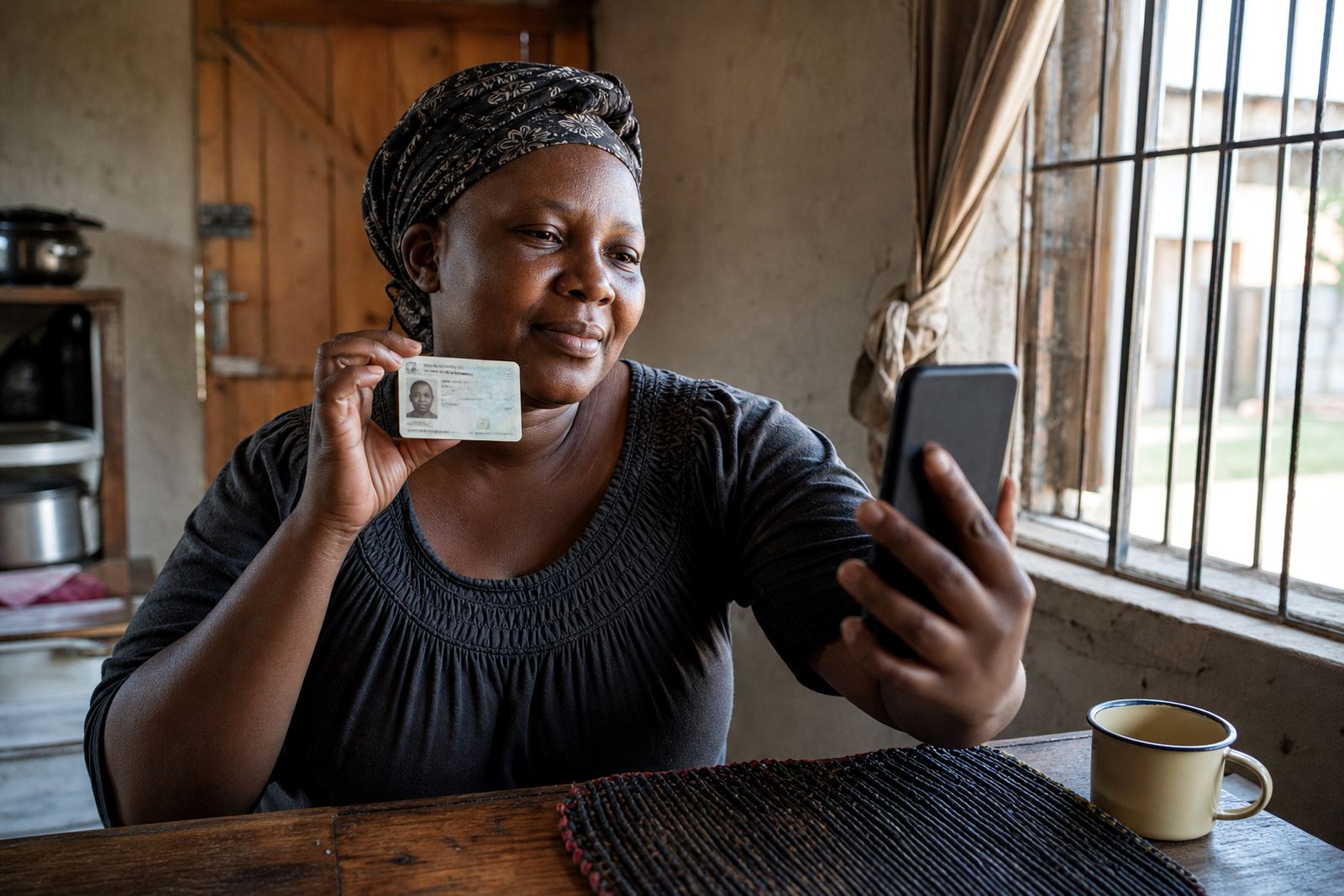
Remote video identity verification closes that gap. The customer joins a guided session, shows an ID document on camera and the agent checks the document against the live face. A proper session also includes liveness checks, so the person is present in real time and not just holding up a picture. For rural customers, that is often the difference between opening an account and leaving the process half done.
For businesses, the point is not to replace every control. It is to give the onboarding team another route when a physical visit is impractical. The flow still needs a clear script, careful record keeping and a clean handoff into the rest of the customer file.
What rural onboarding usually needs in practice
Rural customers often work with weaker connectivity, shared devices, or limited private space. A good process takes those realities seriously. The session should be short, clear and structured, with each step explained in plain language. The customer needs to know when to hold the ID document closer, when to turn the head, and when to read a short phrase for liveness.
That kind of guidance is not cosmetic. It cuts down failed checks and removes the awkward back-and-forth that starts when people are left unsure. It also helps the verification team assess the document properly, because glare, shadow and camera shake can make a valid ID look doubtful.
- Use a script that works for first-time users.
- Keep document capture steps short and clear.
- Ask for a face comparison while the image is steady.
- Build in liveness prompts that are easy to follow.
- Store records in a way that supports later review.
For a customer in Limpopo or the Northern Cape, that kind of structure matters more than polished language. People want to finish the task without a long lesson in the process.
How remote checks help outside the big centres
A customer in a small town near George may have very different access to service than someone in Rosebank or Sandton. The same is true for a family business in North West or a trader outside Mthatha. Remote verification lets the business keep one onboarding standard across the country, while still serving people who are far from a branch.
There is also a practical benefit for staff. Instead of planning branch appointments around travel, the verification team can work through sessions from one place, follow the same quality steps and keep a clear record of what was captured. That makes it easier to support national onboarding without opening more physical points in every district.
- Customers can complete identity checks without travelling long distances.
- Businesses can support onboarding across provinces from one process.
- Teams can review documents and face matches in a controlled way.
- Records stay easier to organise when the flow is standardised.
In places where transport costs matter, this can also improve completion rates. A person who would never make the trip to a city branch may still complete a video session from a quiet room, a small office or a home with enough signal for the call.
Keeping the session compliant in a general sense
Remote identity checks should sit inside normal customer due diligence, including the sort of checks businesses use under FICA processes. That means the business needs to collect the right identity details, compare the live person to the document, keep proper consent on record and store the session evidence securely. POPIA also means the recorded information should be handled with care and only for the purpose it was collected for.
For rural customers, good handling matters just as much as the live check itself. If the process is poorly explained, people may hesitate to share documents or may worry about what is being recorded. A calm session note, a clear consent step and a careful record structure help reduce that friction.
This is where workflow design matters. The verification path should be easy for the customer and equally clear for the staff member reviewing the session. If the checklist is muddled, the process becomes slower and the customer feels it.
A Rosebank team serving customers far beyond the city
Based in Rosebank, PersonVideo ID helps businesses onboard customers across Johannesburg, Pretoria, Cape Town, Durban and Gqeberha, plus many smaller places along the way. The work is not only about the live session. It also includes workflow mapping, integration planning, API coordination, staff training, agent script design, quality monitoring and escalation design.
That support becomes useful when a business is moving customers away from paper forms and branch-only checks. If the sign-up path is built for city traffic, rural customers will struggle. If the process is set up with guided video in mind, the business can serve a wider market without weakening the review steps.
Thabo Mokoka leads the business, with Naledi Adonis handling operations, Jared Jantjies on integration, Anele Nortje coordinating training, Megan Vermaak on client success, Sibusiso Gamieldien on quality assurance and Leila Petersen leading the verification team. That mix helps when a client needs both technical setup and day-to-day process guidance.
A local example from a wider route
Think of a customer in a farming district outside Upington who wants to open an account with a company based in Johannesburg. A branch visit could mean a full day of travel, missed work and extra cost. With remote video identity verification, the customer can book a session, show the ID document on camera, answer the guided prompts and complete the check without leaving the area.
The business still needs a tidy operating model. The team must know what to do when the camera angle is poor, the ID photo is worn, or the customer needs to pause and try again. A pilot launch support phase helps settle those issues before the process is used at scale. Refresh training and change request support then keep the workflow aligned when rules, systems or internal controls shift.
- Pilot the process with a smaller customer group first.
- Watch for weak signal points in remote areas.
- Prepare escalation steps for unclear documents.
- Track outcomes so the team can tighten the script.
That is usually where the service proves its value. It is not only about helping one customer finish a session. It is about giving a business a dependable route to serve places that are often left out of branch-based onboarding.