Why rental teams are moving identity checks onto video
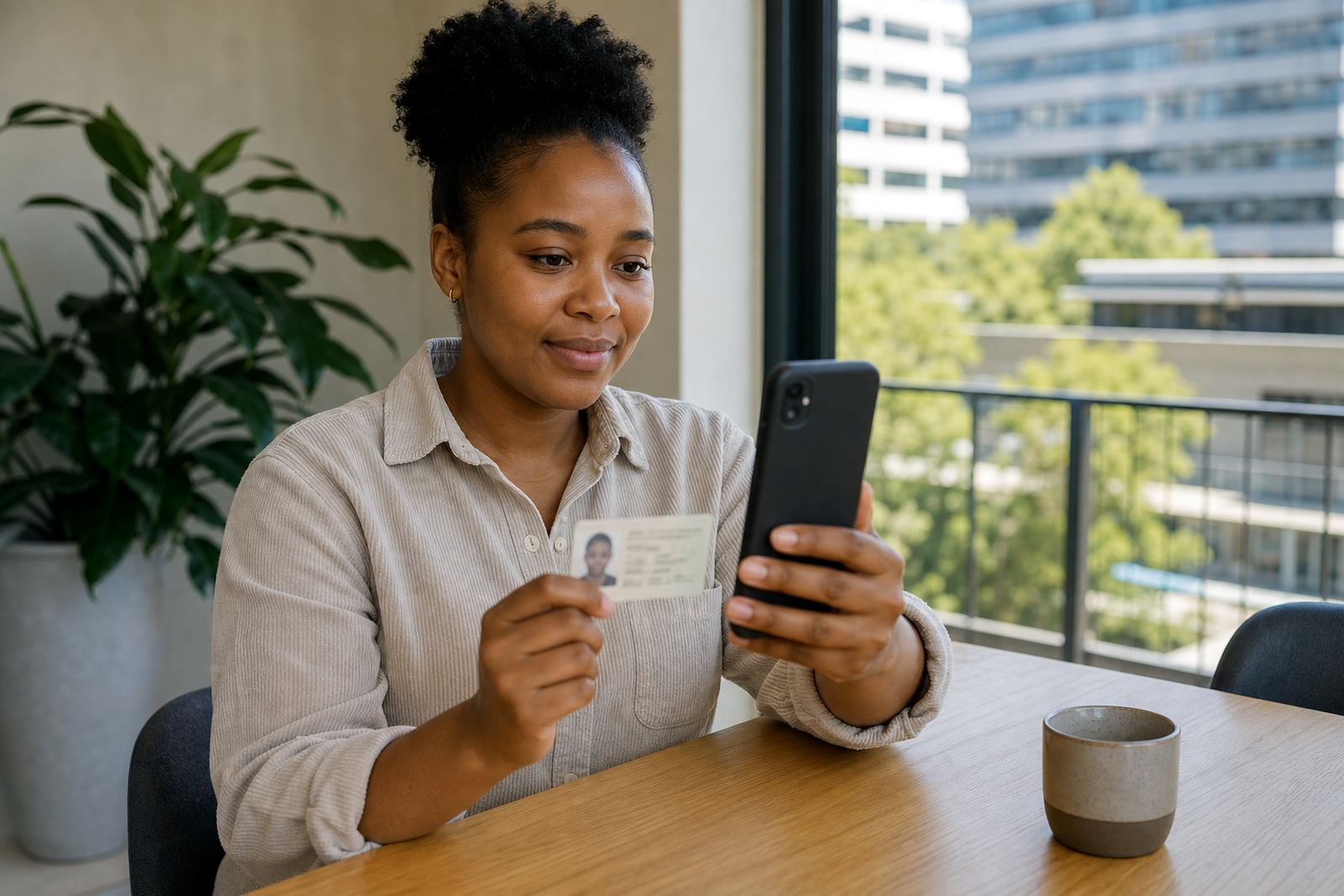
Rental work has become more mobile. Applicants may be in another province, on shift work, or moving between short stays while the lease is still being negotiated. A video identity check gives the letting team a structured way to see the person, inspect the ID document, and keep a record of the session for the file.
For property administrators, the value is not in the video itself, but in the control around it. The session follows a set flow, the applicant is guided through each step, and the verifier can compare the document to the person on screen. That reduces the guesswork that often creeps into remote leasing, especially when a branch is dealing with several units and high enquiry volumes.
In Rosebank and across Johannesburg, that same process can support landlords who let to tenants from Pretoria, Cape Town, Durban, Gqeberha and smaller commuter towns. The applicant does not need to travel to a branch just to prove who they are, and the rental team still has a proper check before moving into onboarding.
What a guided tenant session should cover
A good remote verification flow is direct and predictable. The applicant joins a short session, shows the ID document clearly, and follows instructions while the agent checks the photo, the face and the document details. Where the business needs it, liveness checks can be built in so the person on screen is present in real time and not using a copied image or recording.
- Capture the ID document in clear light, with edges visible.
- Compare the live face to the document photo.
- Check for signs of tampering or blurred details.
- Ask the applicant to follow basic liveness prompts.
- Record the session outcome for the rental file.
That structure helps staff keep the same standard from one applicant to the next. It also gives the business a cleaner audit trail when a lease file is reviewed later by the compliance team, the branch manager or the credit control counter.
How the process fits rental operations in South Africa
Local rental teams often work across mixed channels. An enquiry may start online, move to an application form, then shift into a document review and a lease discussion. Video identity proofing fits into that sequence without forcing the applicant into a branch visit for a routine identity step.
For businesses in Sandton, Midrand and the Johannesburg metro, the method works well when the office needs to onboard tenants who are relocating, working offshore, or applying outside normal office hours. In Cape Town or Durban, it can also help with students, professionals and corporate lets where the applicant is not standing in front of the letting consultant.
Used properly, it supports FICA-style customer due diligence in general terms by helping the business verify who it is dealing with, while keeping consent and record keeping in place under POPIA. It does not replace sound rental checks, but it does add a practical identity layer to the file.
What rental administrators need around the process
The video step should sit inside a wider workflow, not float on its own. That means the rental team needs clear rules for when the session is triggered, who sees the result, and what happens when the document does not pass basic checks. It also helps to decide how the result is logged in the lease system, the CRM or the tenant file.
- Workflow Mapping for the full rental onboarding path.
- Agent Script Design for consistent identity questions.
- Quality Monitoring for session review and standards.
- Escalation Design for uncertain or failed checks.
- Operational Reporting for branch and portfolio oversight.
When the admin side is clear, the session feels less like an interruption and more like part of the lease process. That matters in busy offices, where one weak handoff can create confusion between letting, finance and property management teams.
A Johannesburg rental example with a local feel
Picture a rental portfolio managed from Rosebank, with applicants coming in from Pretoria, Soweto, Fourways and the northern suburbs. A prospective tenant is relocating for work and cannot visit the office before the lease is prepared. The team opens a guided video session, checks the ID, compares the face to the document, and stores the session record with the application.
That saves the branch from relying on scattered WhatsApp images and incomplete scans. It also gives the landlord a cleaner file when the tenant is approved, because the identity step has been handled in one controlled sequence instead of across several informal messages. For teams managing multiple apartments or sectional title units, that order matters.
On the operations side, the business may also want refresh training for staff, pilot launch support for the first rollout, and change request support when the lease flow changes. Those practical pieces keep the process usable for real rental teams, not just tidy on paper.
Where PersonVideo ID fits into tenant onboarding
PersonVideo ID works with businesses that need remote video identity verification as part of tenant proofing. The base in Rosebank, Johannesburg supports clients across South Africa, with staff training, integration planning and verification workflow support for rental teams that onboard applicants online.
The team includes Thabo Mokoka as MD, with Naledi Adonis handling operations, Jared Jantjies on integration, Anele Nortje on training, Megan Vermaak on client success, Sibusiso Gamieldien on quality assurance, and Leila Petersen leading verification. That mix matters when a rental business needs the session to fit the rest of its process, from the first application step to the final file note.
Clients contact us through the enquiry form on our contact page when they need to talk through workflow mapping, API coordination, pilot launch support or stabilising go live for tenant onboarding.