Put the identity step where doubt is lowest
An identity check works best when the customer already understands why it is there. If the video session arrives before the person has seen the product, pricing or account type, some people stall because they are still deciding whether to continue. If it arrives too late, after forms and uploads are already done, a failed check can leave the file half-finished and frustrate the customer.
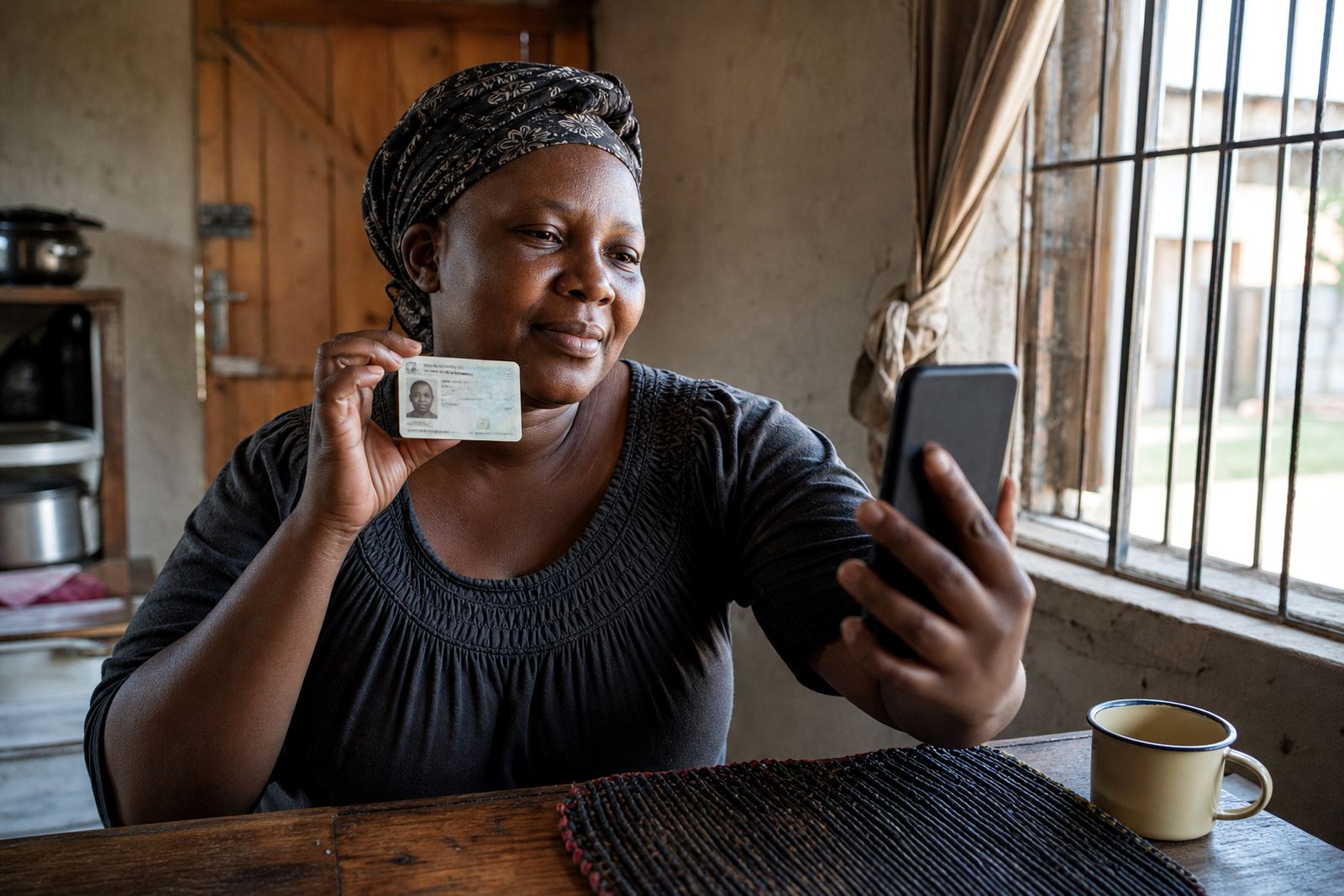
In practice, the best slot is often after the core application details are captured but before final approval. That gives the business enough information to prepare the verification flow, while the customer still has momentum. The guided session can then confirm the ID document, compare the face to the document image and run the usual liveness checks without forcing the applicant to repeat large parts of the journey.
Match timing to the kind of account being opened
Not every onboarding route needs the same order. A low-risk product may suit a lighter journey, while a higher-risk account often needs more checks before the file moves forward. FICA-driven customer due diligence is usually stronger when the identity step sits near the point where the business decides whether the application can proceed.
- High-risk or higher-value accounts often benefit from earlier verification.
- Lower-risk flows may hold the video step until the customer is nearly done.
- Applications with many supporting documents usually need a tighter sequence.
- Repeat customers or returning users may need a shorter route than new applicants.
The aim is not to make every journey look the same. It is to place the check where it reduces uncertainty without making the applicant feel they have started over.
Keep the session close to the moment of submission
Remote video verification works well when the customer can move from form completion into the session without a long pause. The longer the gap, the more likely details change, documents get misplaced or the applicant drops out. A short guided session is easier to complete when the person still has their ID document in hand and the submission is fresh.
That matters most for businesses serving customers in Johannesburg, Pretoria, Cape Town, Durban and Gqeberha. A person may start the journey on a lunch break, then continue after hours at home. If the video step is placed too early in the process, the customer may leave and never return to complete the rest of the file.
Build the handoff between product pages and people
The timing of the identity step is also a design issue. The customer should know when the video session will happen, how long it normally takes and what they need to have ready. A clean handoff reduces abandoned sessions and cuts down on operational chasing later.
- Show the identity step before the customer starts gathering documents.
- Explain that a live agent will compare the face and ID document.
- Tell the applicant when consent is captured and why records are kept.
- Keep the instructions plain so the customer does not need extra help mid-flow.
When the handoff is clear, the operations team spends less time fixing avoidable errors. It also helps the verification team work from a steadier queue, which makes quality monitoring easier.
Use pilot timing before full rollout
Before a new onboarding route goes live, many businesses test where the video step sits in the flow. A pilot launch can show whether customers finish more often when the session is early, mid-stream or near the final approval point. That testing also helps with integration planning, API coordination and the agent script design that supports the session.
A Rosebank financial services team, for example, may find that applicants based in Sandton move through a shorter route, while first-time customers from further afield need more explanation before the check. A pilot helps the business see those differences before they affect a larger group. It also gives the client success manager and training coordinator room to refine staff training and refresh training notes.
Read the signs that timing is off
When customer journey timing is wrong, the problems are usually visible in the workflow rather than the headline numbers. Files may stall after document upload, agents may see repeated clarification questions, or the same applicant may start the process twice. These are signs that the verification step sits in the wrong place, or that the instructions around it are too thin.
Operational reporting should show where applicants pause and where the verification team spends extra effort. If many people drop out before the video session, the identity step may be arriving too early. If the back office repeatedly sends files back for missing details, the step may be too late or not clearly explained.
Keep the follow-through practical after go live
Once the journey is in market, the timing needs regular review. Change requests may come from internal risk teams, customer service staff or the people who handle escalations. A small change to the order of screens or the wording on the session page can affect how many people finish the onboarding route.
For South African businesses, that matters because the customer base is varied. Some applicants are comfortable with a remote session and others need more context before they click through. A sensible process keeps the video identity check close to the moment it adds value, not buried so deep that it becomes a hurdle or placed so early that it interrupts the decision.
That is where PersonVideo ID supports the work in a practical way. The team can map the journey, help align the script and train staff so the identity step fits the business process rather than forcing the process to fit the tool.